






jasonhardware@foxmail.com+86-0574-58202256
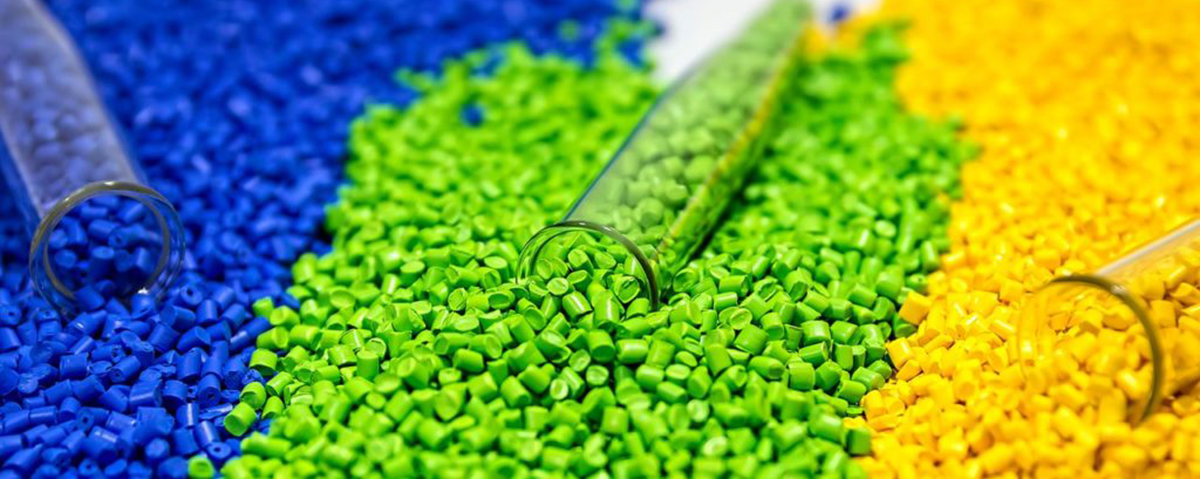
Injection Molding Plastic material
| Pictures | Materials | Details | Service |
 | ABS | The opaque thermoplastic, it is an amorphous polymer comprised of three monome | Injection Molding |
 | Polycarbonate (PC) | Strong, tough materials, and some grades are optically transparent. | Injection Molding |
 | Polypropylene (PP) | Slightly harder than polyethylene, a commodity plastic with low density and high heat resistance. application in packaging, automotive, consumer goods, medical, cast films, etc. | Injection Molding |
 | Nylon | Excellent abrasion resistance, high impact strength and good mechanical properties. | Injection Molding |
 | POM | High mechanical strength and rigidity. POM material has very good sliding properties, excellent wear resistance and low moisture absorption. | Injection Molding |
 | PVC | Being hydrophobic, non-wetting, high density and resistant to high temperatures, PTFE is an incredibly versatile material with non-stick properties. | Injection Molding |
 | Polyethylen (PE) | It is available in different crystalline structures, referred to as HDPE, LDPE, and LLDPE. | Injection Molding |
 | Polystyrene (PS) | The thermosetting phenol formaldehyde resin, formed from a condensation reaction of phenol with formaldehyde | Injection Molding |
 | TPU | Strong, lightweight, and stiff material that is made from thin, strong crystalline filaments of carbon. | Injection Molding |
In moulding, the material choice is locked in for the life of the tool. Changing resin later means a new shrink rate, new tooling adjustments and a new validation cycle — so it pays to decide properly the first time.
Every resin shrinks as it cools from melt to solid, and the tool must be cut oversize to compensate. The problem is that shrinkage is not one number — it varies with wall thickness, flow direction and gate location.
| Resin | Typical shrinkage | Design note |
|---|---|---|
| ABS | 0.4–0.7 % | Predictable, forgiving, the default for enclosures |
| PC | 0.5–0.7 % | Needs thorough drying; high melt viscosity |
| PP | 1.0–2.5 % | High and direction-dependent; living hinges work well |
| PA (Nylon) | 0.7–2.0 % | Moisture-sensitive; dimensions drift after moulding |
| POM | 1.8–2.2 % | Low friction, excellent for precision moving parts |
Uniform wall thickness is the single best defence against sink marks, warpage and internal stress. Where a thick section is unavoidable, core it out rather than accept a solid mass of plastic.
Most production resins are not the base polymer alone. Glass fibre raises stiffness and cuts shrinkage; mineral fillers improve dimensional stability; UV stabilisers extend outdoor life; colour masterbatch sets the shade; flame retardants meet safety codes. Each addition changes the flow behaviour, so tell us the grade, not just the polymer name.
Start from the environment (temperature, chemicals, UV) and the mechanical duty, then let cost and appearance narrow the rest. Send the application details and we will shortlist grades for you.
Sometimes, but only within a family with similar shrinkage. A change from ABS to PP, for example, can require a different cavity size and new tooling work.
Yes — tooling and moulding are handled together, which is why we can tune gate and cooling design to the resin you select rather than working around a fixed tool.
Moulding becomes economical once tooling cost is spread over volume; below that, CNC machining or 3D printing is usually the cheaper route for the first parts.
Choosing a resin early avoids an expensive tooling change later. Talk to our moulding engineers before the design is frozen.
LiveChatclose
 Send Email
 WhatsApp