






jasonhardware@foxmail.com+86-0574-58202256
Why choose Renjiu Sheet Metal Machining?
1. Sheet metal parts achieve both lightness and strength through bending, reinforcing ribs, welding and other processes;
2. Different structures, sizes and thicknesses can be flexibly adjusted.
3. Cutting, stamping, bending, welding, assembly, spraying, silk-screening, etc. can be integrated to greatly reduce assembly costs and time.
4. The surface of sheet metal parts can be sprayed, electroplated, brushed, anodized and other treatments to improve protection and aesthetics to meet different product positioning.
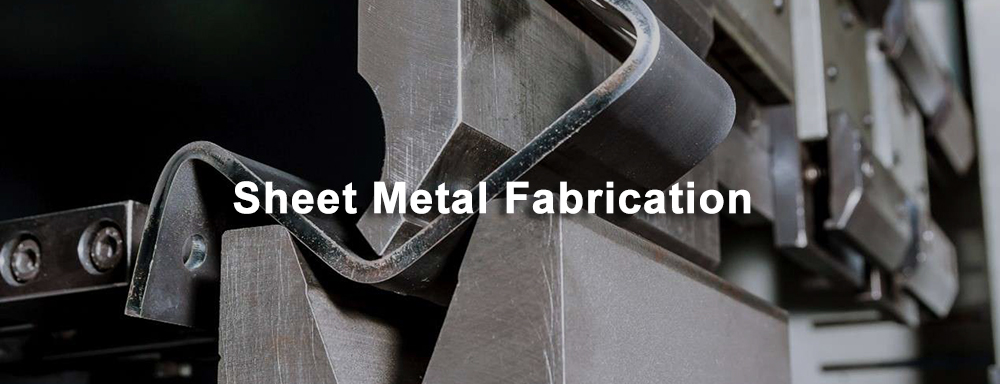
Renjiu Sheet metal is widely used in mechanical equipment, electronic appliances, automotive industry, communication equipment, medical equipment, smart terminal shells and other fields.
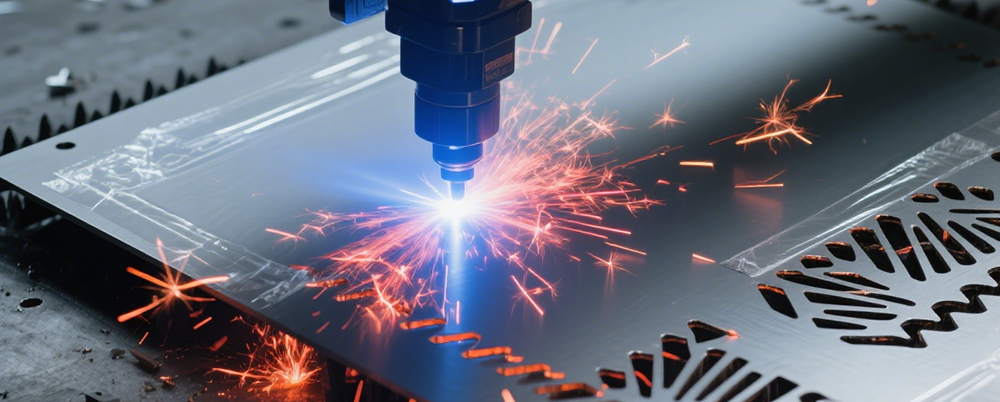
Use fiber laser cutting machine, fast cutting speed and neat edge
Can cut carbon steel, stainless steel, aluminum alloy, etc.
High-speed stamping machine cooperates with mold to process holes, bumps, louvers, and reinforcement ribs
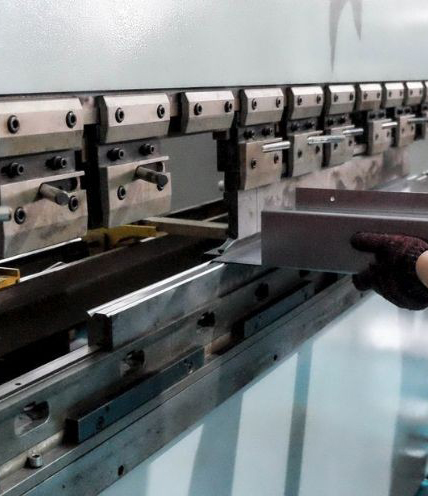
CNC bending machine (more than 4 axes) can achieve multi-angle composite bending
Applicable to stainless steel, aluminum, carbon steel and other materials;
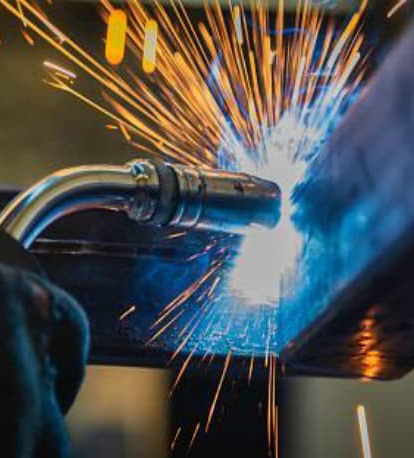
Renjiu experienced welder team ensures neat, firm and beautiful welds
Applicable to stainless steel, aluminum, carbon steel and other materials;
Renjiu experienced welder team ensures neat, firm and beautiful welds
Nut riveting, stud welding, structural assembly
Structural strength test, electrical ground resistance test, etc. (optional)
Renjiu Sheet Metal machining service are widely used in multiple industries
Automation equipment racks, chassis, electric control cabinets, sensor brackets
Communication equipment 5G cabinets, base station housings, antenna covers
New energy industry photovoltaic brackets, battery boxes, electric control devices
Medical equipment medical housings, detector housings, stainless steel support components
Home appliance industry air conditioning frames, electric heater chassis, oven liner
Smart security camera housings, monitoring boxes, access control equipment panels
Industrial control cabinet door panels, operation panels, signal boxes, power supply housings
Sheet metal work is a chain of operations, and every link affects the fit of the finished part. We keep the chain in-house so tolerance and lead time stay under control.
Sheet metal tolerances are cumulative: cutting, forming, welding and finishing each contribute, and the stack-up shows up in the final assembly. The figures below are realistic for production work.
| Feature | Typical tolerance |
|---|---|
| Laser-cut profile | ±0.1 mm |
| Hole position | ±0.1 mm |
| Bend angle | ±0.5° |
| Bend position | ±0.2 mm |
| Overall welded assembly | ±0.5 mm |
Three design habits keep a sheet metal part easy to make: keep hole diameters at least equal to material thickness, keep holes at least one-and-a-half thicknesses from a bend, and design bend radii at or above the minimum for the grade. For thickness and bend-radius guidance by material, see sheet metal materials.
Finishing is where a functional bracket becomes a product. Powder coating gives a tough coloured surface on steel and aluminium; zinc plating protects steel while keeping a metallic look; anodising suits aluminium and can be clear, black or coloured; brushing and bead blasting set the texture before any of these. Where parts must be welded after coating, the coating is applied last for a clean, sealed finish.
Generally yes, provided the radius is at or above the minimum for the grade and thickness. Where it is below, we will propose the closest workable radius.
By sequencing the weld, controlling heat input and using fixtures that hold the geometry while it cools. Distortion is managed in the process, not corrected afterwards.
We generate the flat pattern from your 3D model, so the formed part matches the drawing. Where you supply the flat pattern, we will confirm it against the finished dimensions.
A single part. Fabrication has no tooling cost, so one-off brackets and enclosures are routine.
Send the model or drawing with the material and finish you want, and we will quote the fabrication route that fits your volume. Request a quotation.
LiveChatclose
 Send Email
 WhatsApp