





jasonhardware@foxmail.com+86-0574-58202256
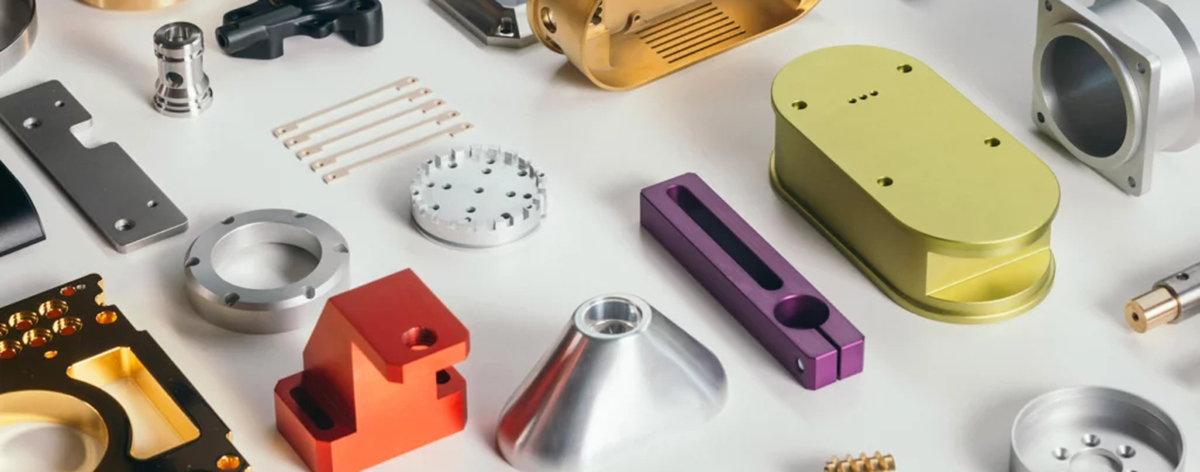
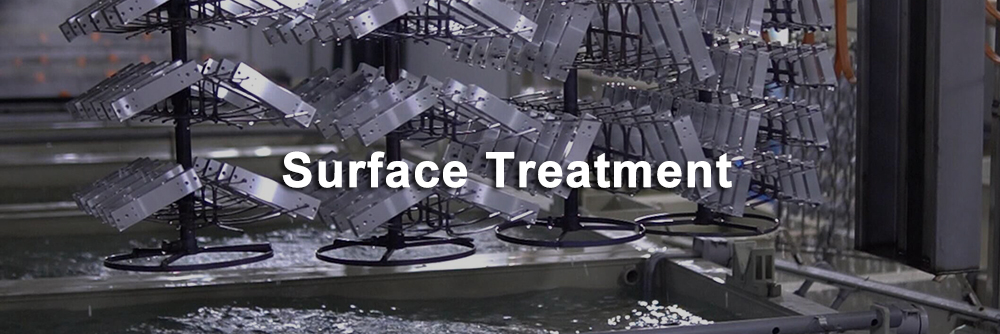
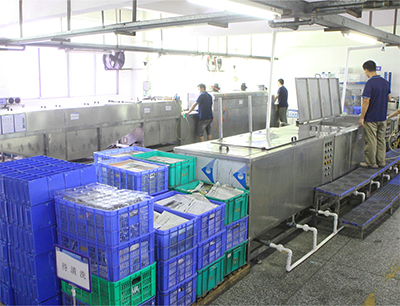 In the Renjiu Machinery manufacturing process, surface treatment technology is an important part of achieving product appearance, improving performance and enhancing durability.
Whether it is a mechanical part that needs strong protection or a high-end decorative part that wants to improve the appearance and texture, you can choose the appropriate surface treatment process according to the characteristics and needs of the material.
Dongguan Renjiu provides professional surface treatment services to help you achieve the perfect balance between product performance and appearance.
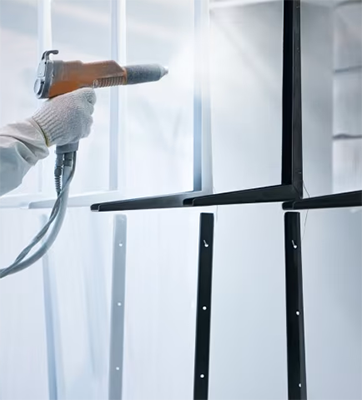
Multiple colors, textures, and effects are available to meet visual aesthetic needs
Corrosion resistance, oxidation resistance, wear resistance, fingerprint resistance, arc resistance, etc.
Support different needs of samples/small batches/large batches
Strict control of surface roughness, adhesion, film thickness, and color difference
| Picture | Surface Treatment | Advantage | Materials | Colors |
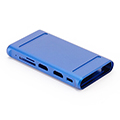 | Anodizing | Beautiful appearance, scratch resistance, corrosion resistance, insulation, anti-fingerprint | Aluminum, Aluminum alloys | Natural, Black, Gray, Gold, Rose gold, Red, Blue, Champagne, Brown, Purple, Green, Orange, etc. |
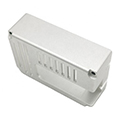 | Sandblasting | Deburring, beautiful, anti-glare, and conducive to paint adhesion | Metal, Plastic, etc. | N/A |
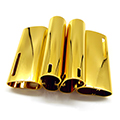 | Electroplating | Improve conductivity, corrosion resistance, and decorativeness | Copper, Zinc, Aluminum Alloy, Steel, Stainless steel, etc. | nickel plating, Chrome plating, Gold plating, Zinc plating, Antique copper, etc. |
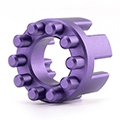 | Powder Coating | Strong corrosion resistance, high adhesion and durability, good uniformity | Zinc, Aluminum Alloy, Steel, Stainless steel, etc. | Pantone colors |
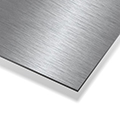 | Brushing | high-end metal texture, strong industrial style | Aluminum, Stainless steel,etc | N/A |
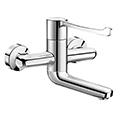 | Mirror Finishing | Improve appearance, facilitate electroplating, easy to clean | Metal, Plastic, etc. | N/A |
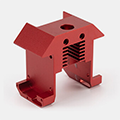 | Painting | Improve appearance, color customization, comfortable feel | Metal, Plastic, etc. | All Pantone colors |
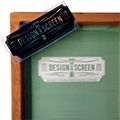 | Silk Printing | Bright colors, strong adhesion, multi-color and multi-layer printing | Metal and Plastic surface | All Pantone colors |
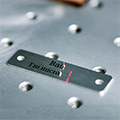 | Laser Engraving | No mold required, fine pattern, permanent marking | Metal and Plastic surface | All Pantone colors |
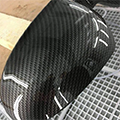 | Water Transfer | Common patterns: carbon fiber, wood grain, camouflage, custom patterns | Metal, Plastic and Wood surface | All Pantone colors |
Surface treatment is chosen for one of three reasons: to protect the part, to change how it looks, or to change how it performs in contact with something else. Most treatments do more than one of these at once.
Work backwards from the requirement rather than forwards from the finish list.
| Requirement | Recommended finish |
|---|---|
| Aluminium part needing colour and wear resistance | Anodising (Type II or Type III) |
| Steel part needing weather resistance and colour | Powder coating |
| Steel fastener or bracket needing corrosion protection | Zinc plating |
| Machined stainless part needing restored corrosion resistance | Passivation |
| Precision part needing wear resistance without dimensional change | Electroless nickel plating |
| Part needing a matte, non-reflective surface | Bead blasting |
| Part needing a decorative reflective or satin look | Polishing or brushing |
Not every finish applies to every metal, and mixing them up wastes time. Anodising is aluminium-specific — attempting it on steel is not possible. Passivation is a stainless process and does nothing useful for mild steel, which needs zinc plating or paint instead. Powder coating and plating apply to both families, though the preparation differs. When in doubt, name the material and the requirement and let the process follow.
For aluminium, anodising or a good powder coat both hold up well; for steel, powder coating or hot-dip galvanising give the longest service life. The right answer depends on salt exposure and abrasion.
It grows into the surface by a few microns, so normal tolerances are unaffected. Hard anodising is thicker, and very tight fits should be planned around it.
Yes — laser marking gives a permanent, ink-free mark, and it can be applied through an anodised layer or on a bare surface.
For most processes we prefer to control the whole chain ourselves, but finishing-only work is possible where the part geometry and material suit it.
Tell us the material and what the part must survive, and we will recommend the finish that meets the requirement without over-specifying it. Send your enquiry.
LiveChatclose
 Send Email
 WhatsApp