






jasonhardware@foxmail.com+86-0574-58202256
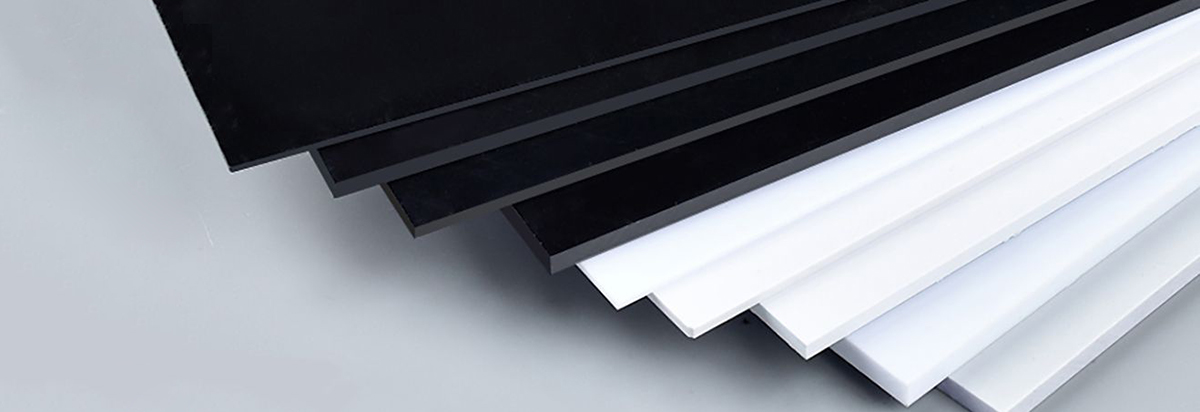
| Picture | Material | Details | Service |
 | ABS | The opaque thermoplastic, it is an amorphous polymer comprised of three monome | CNC machining |
 | Polycarbonate (PC) | Strong, tough materials, and some grades are optically transparent. | CNC machining |
 | PMMA (Acrylic) | It is a transparent thermoplastic, used as an engineering plastic. | CNC machining |
 | Polypropylene (PP) | Slightly harder than polyethylene, a commodity plastic with low density and high heat resistance. application in packaging, automotive, consumer goods, medical, cast films, etc. | CNC machining |
 | Nylon | Excellent abrasion resistance, high impact strength and good mechanical properties. | CNC machining |
 | POM | High mechanical strength and rigidity. POM material has very good sliding properties, excellent wear resistance and low moisture absorption. | CNC machining |
 | PTFE (Teflon) | Being hydrophobic, non-wetting, high density and resistant to high temperatures, PTFE is an incredibly versatile material with non-stick properties. | CNC machining |
 | Polyethylen (PE) | It is available in different crystalline structures, referred to as HDPE, LDPE, and LLDPE. | CNC machining |
 | Bakelite | The thermosetting phenol formaldehyde resin, formed from a condensation reaction of phenol with formaldehyde | CNC machining |
 | Carbon Fiber | Strong, lightweight, and stiff material that is made from thin, strong crystalline filaments of carbon. | CNC machining |
Plastic parts are not "easy metal". They cut at completely different feeds and speeds, and they bring problems metal never shows. Understanding those problems is the difference between a clean part and a scrapped one.
Engineered plastics replace metal whenever the load is moderate and one of these benefits matters more than raw strength:
| Material | Strength / stiffness | Heat resistance | Best known for |
|---|---|---|---|
| ABS | Medium | Low | Tough, low-cost housings and covers |
| POM (Delrin) | High | Medium | Gears, bushings, precision sliding parts |
| PC (Polycarbonate) | High | Medium | Impact-resistant windows and guards |
| PMMA (Acrylic) | Medium | Low | Optically clear panels and lenses |
| PA (Nylon) | High | Medium | Wear parts, rollers, tough mechanical parts |
| PTFE | Low | High | Chemical seals, low-friction bearings |
| PEEK | Very high | Very high | Aerospace, medical and high-temperature parts |
For a stable, well-supported plastic part, yes — ±0.05 mm is routine. Very thin or flexible features are limited more by the part's stiffness than by the machine.
POM (Delrin) is the usual first choice for gears and sliding parts, with nylon for higher loads and PEEK where temperature or chemical exposure rules out the others.
Machined plastic can relax and move slightly as internal stresses release. For tight parts we rough-machine, let the part rest, then finish — a two-stage process that trades a little time for stability.
Painting and laser marking are common; anodising and plating are metal-only processes. Where a plastic part needs a colour or a matte look, we tint or bead-blast it instead.
Tell us the working environment — temperature, chemicals, load — and we will suggest the plastic that survives it. Send your enquiry.
LiveChatclose
 Send Email
 WhatsApp