






jasonhardware@foxmail.com+86-0574-58202256
In the realm of precision machining, the selection of the right tools is a critical factor that directly impacts the quality, efficiency, and cost - effectiveness of the
machining process. This article will delve into the essential tips for tool selection in precision machining, while also incorporating key industry keywords with a density of
approximately 5%.
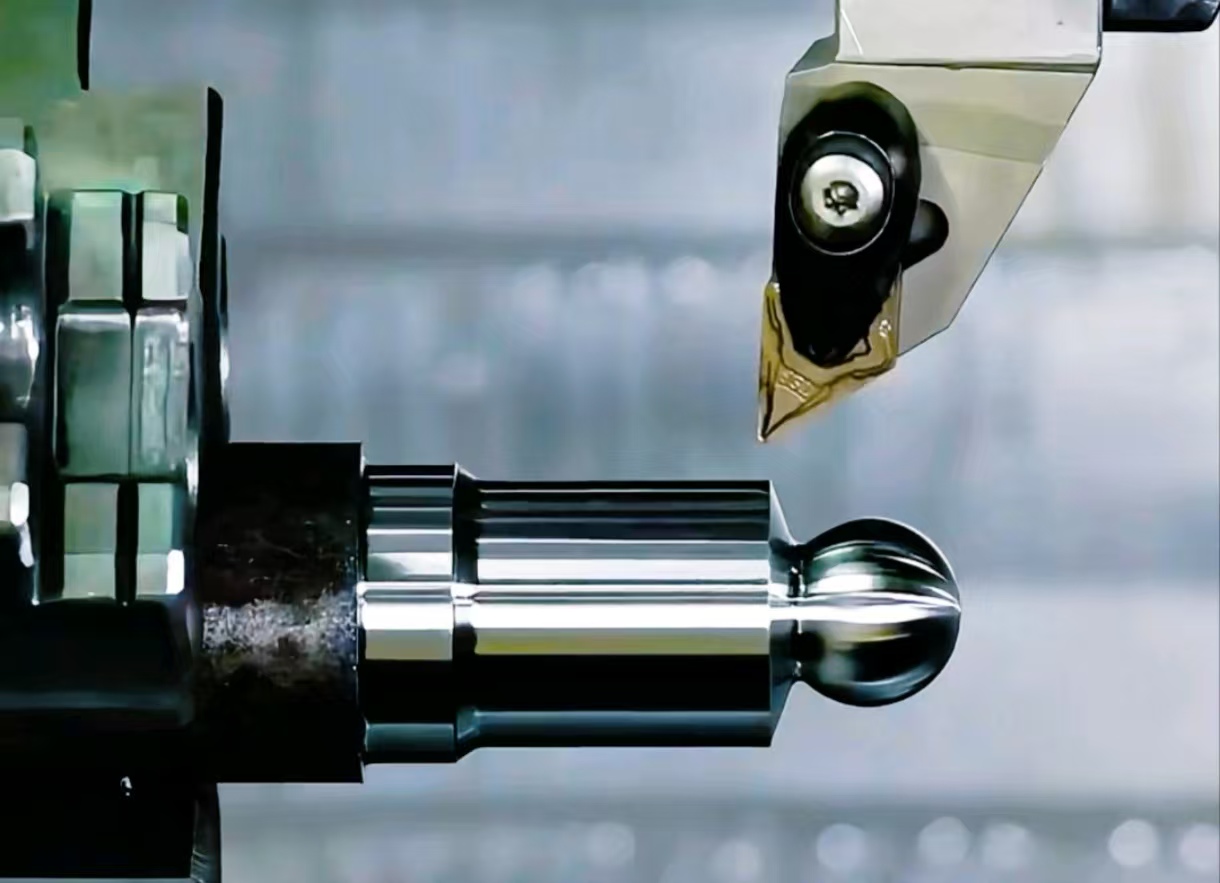
Before choosing a tool for precision machining, it is crucial to have a comprehensive understanding of the machining task at hand. Different materials require different cutting
tools. For example, when machining hard metals such as tungsten carbide, high - speed steel (HSS) tools with specific coatings may not be sufficient, and carbide tools might be a
better choice. On the other hand, for softer materials like aluminum, HSS tools can often be used effectively, but the geometry of the tool needs to be optimized for efficient chip
removal.
The complexity of the part being machined also plays a significant role. For parts with intricate geometries and tight tolerances, end mills with small diameters and high -
precision cutting edges are necessary. In contrast, for roughing operations on larger workpieces, larger - diameter tools like face mills can be more appropriate to remove material
quickly.
1. High - Speed Steel (HSS)
HSS is a commonly used material for precision machining tools. It offers good strength, toughness, and wear resistance at moderate cutting speeds. HSS tools are relatively
cost - effective and are suitable for a wide range of materials, including steels, cast irons, and some non - ferrous metals. However, their performance may be limited when machining
harder materials or at higher cutting speeds. Keywords: high - speed steel, HSS, precision machining.
2. Carbide
Carbide tools are highly prized in precision machining due to their exceptional hardness and wear resistance. They can withstand higher cutting speeds and temperatures
compared to HSS tools. Carbide end mills, for instance, are often used for machining hard metals, plastics, and composites. Coated carbide tools, with coatings such as titanium
nitride (TiN) or titanium carbide (TiC), further enhance their performance by reducing friction and increasing tool life. Keywords: carbide, coated carbide, precision machining.
3. Ceramics and Cubic Boron Nitride (CBN)
For extremely hard materials or high - speed machining applications, ceramics and CBN are excellent choices. Ceramics have high thermal stability and can operate at very high
temperatures. CBN is one of the hardest materials known, second only to diamond, and is ideal for machining hardened steels and superalloys. However, these materials are more
brittle and require careful handling during machining. Keywords: ceramics, cubic boron nitride, CBN, precision machining.
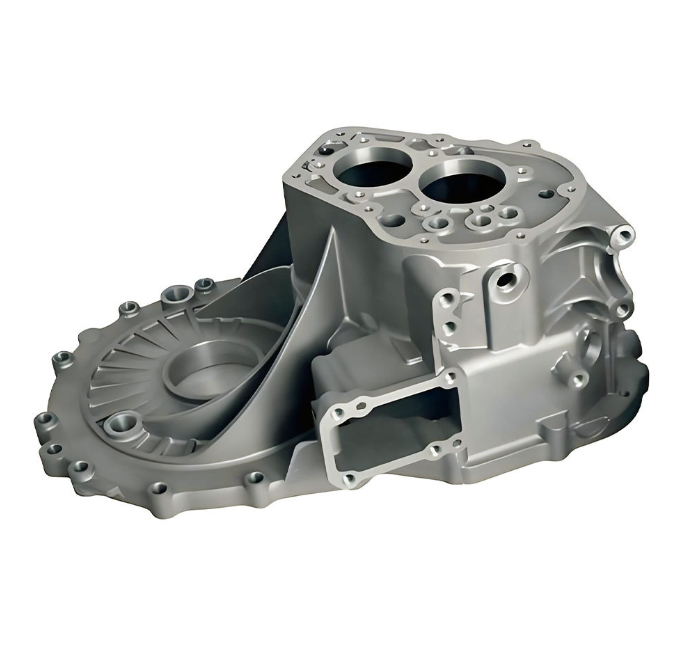
1. Cutting Edge Geometry
The cutting edge geometry of the tool is crucial for precision machining. A sharp cutting edge reduces cutting forces and heat generation, resulting in better surface finish and
dimensional accuracy. Tools with positive rake angles are generally used for machining softer materials as they require less cutting force. For harder materials, negative rake angles
can provide more strength to the cutting edge. Additionally, the radius of the cutting edge, or the nose radius, affects the surface finish. A smaller nose radius can produce a finer
surface finish but may be more prone to chipping. Keywords: cutting edge geometry, positive rake angle, negative rake angle, nose radius, precision machining.
2. Flute Design
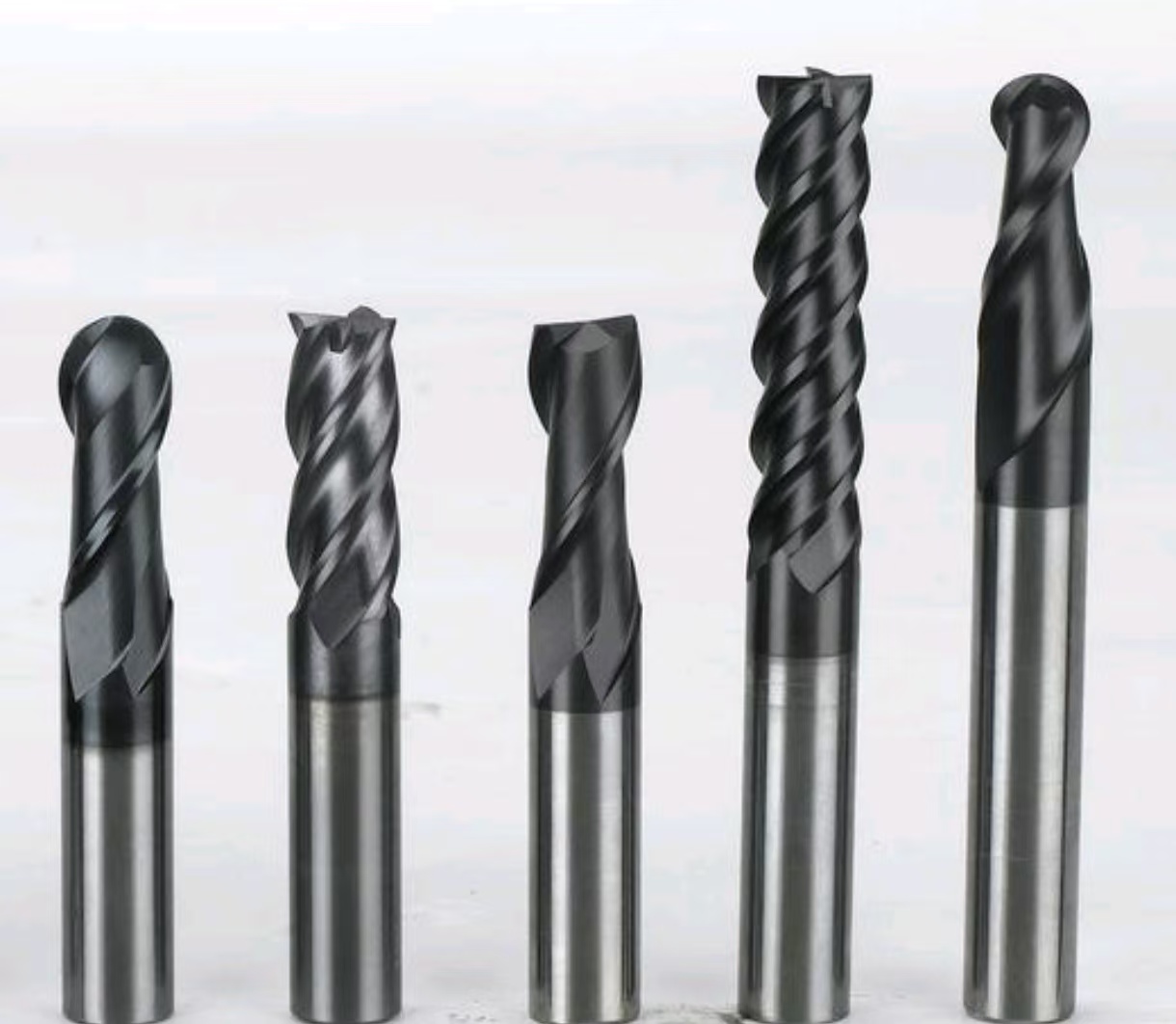
In tools like end mills, the flute design is important. The number of flutes affects the chip - evacuation ability and the cutting force. Tools with more flutes can provide a
smoother cut but may also have reduced chip - evacuation space. For materials that produce long, stringy chips, such as some plastics and soft metals, tools with fewer flutes and
larger flute volumes are preferred. In contrast, for materials that produce short chips, more flutes can be used to increase the cutting efficiency. Keywords: flute design, chip
evacuation, precision machining.
Tool coatings play a vital role in precision machining. Coatings such as TiN, TiAlN (titanium aluminum nitride), and DLC (diamond - like carbon) offer several advantages. They
reduce friction between the tool and the workpiece, which in turn reduces cutting forces and heat generation. This leads to longer tool life and improved surface finish. Coatings also
protect the tool material from chemical reactions with the workpiece material, especially when machining reactive materials. For example, TiN - coated tools are commonly used in
machining steels as they can withstand the high temperatures and mechanical stresses involved. Keywords: tool coating, TiN, TiAlN, DLC, precision machining.
Send your 2D/3D files and get a detailed quotation within 24 hours — DFM feedback, material and tolerance advice, and lead time included. Prototypes from 1 piece, no minimum order.
Request a Free Quote → WhatsApp Us
Or email jasonhardware@foxmail.com · Reply within 24 hours, Monday–Saturday
Contact: Mr Zhang
Phone: +86-18368240367
E-mail: jasonhardware@foxmail.com
Add: No.16 Laoshan Road, Beilun District, Ningbo City
LiveChatclose
 Send Email
 WhatsApp