






jasonhardware@foxmail.com+86-0574-58202256
In the field of mold manufacturing, quality inspection is of crucial importance. It ensures that the molds produced meet the required standards and can function properly in
subsequent production processes. There are several effective quality inspection methods employed in mold manufacturing.
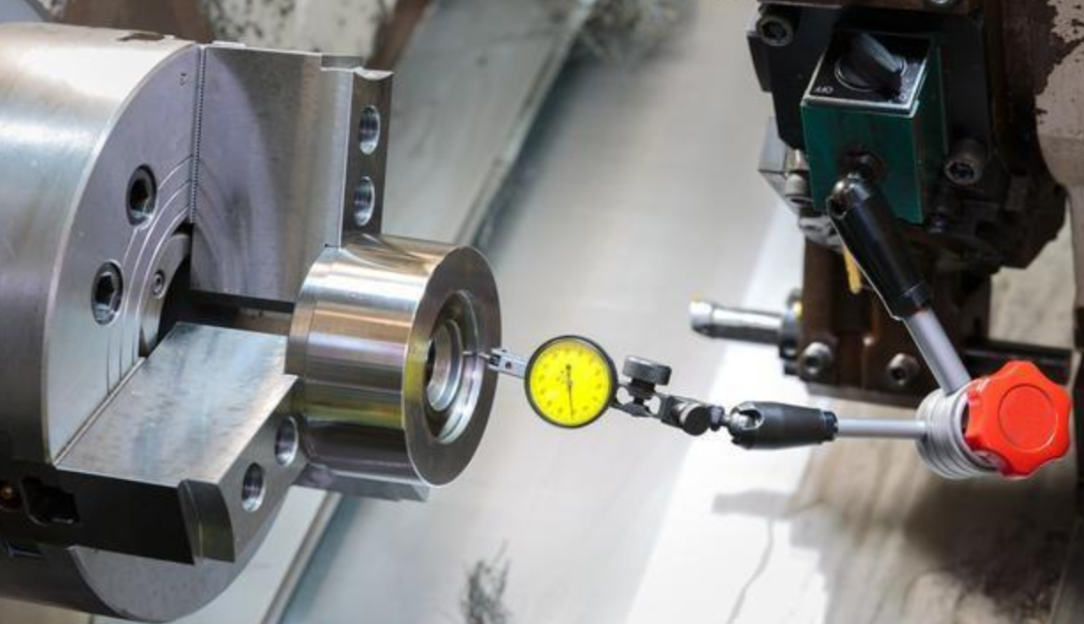
One of the commonly used methods is visual inspection. This involves a detailed examination of the mold's surface by trained inspectors. They look for any visible defects
such as scratches, burrs, or uneven surfaces. Visual inspection can detect many surface - related issues at an early stage. For example, in injection mold manufacturing, a careful visual
check can identify if the parting lines are smooth and if there are any signs of flash or rough edges that could affect the quality of the molded parts.
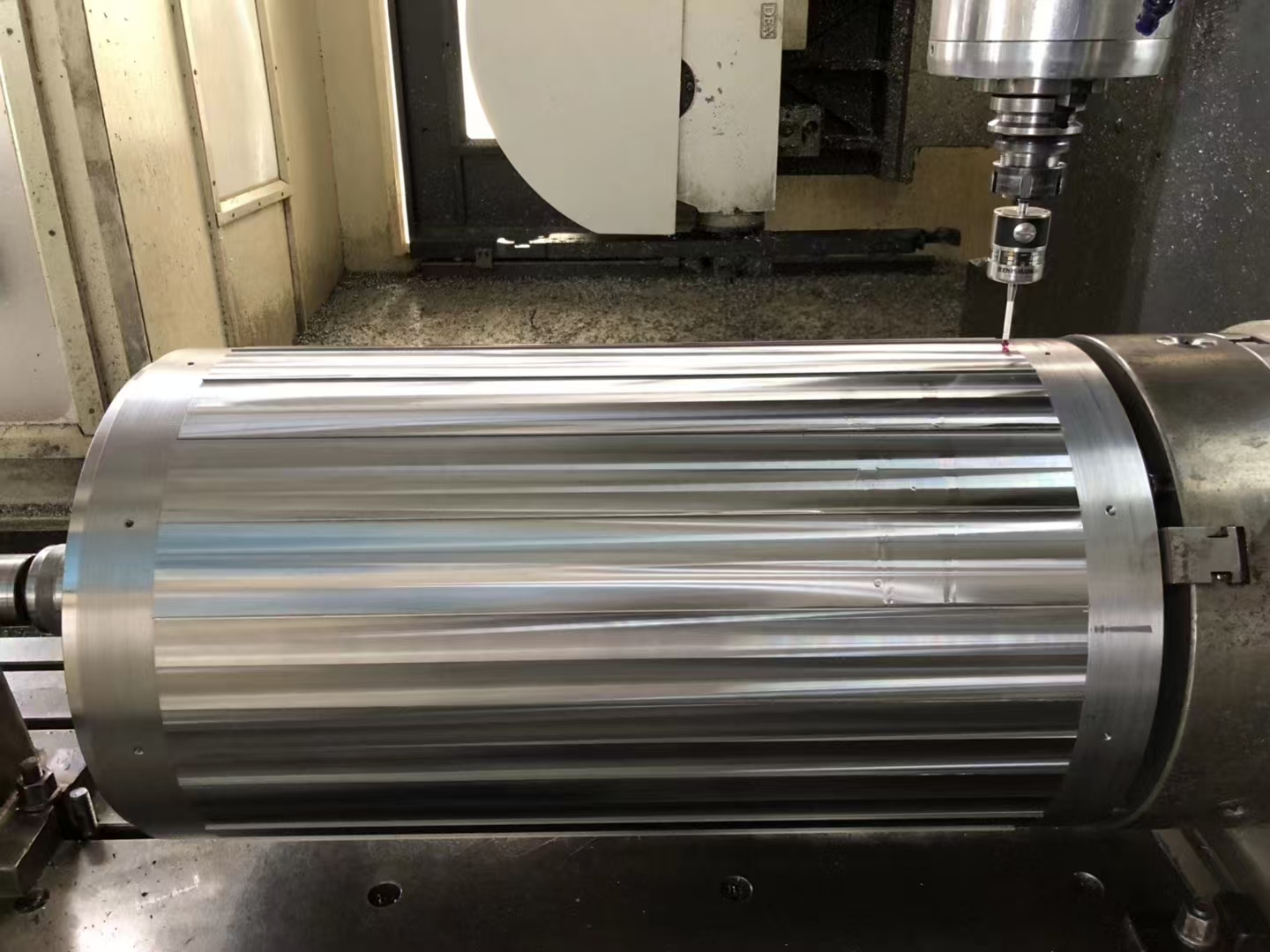
Dimensional inspection is another vital method. Using precision measuring tools like calipers, micrometers, and coordinate measuring machines (CMMs), inspectors
measure the dimensions of the mold components. This is essential to ensure that the mold parts fit together accurately and that the final product will have the correct size and
shape. In die - casting mold manufacturing, precise dimensional control of the cavity and core is critical to produce castings with the right dimensions.
Non - destructive testing (NDT) methods are also widely used in mold manufacturing. Ultrasonic testing can be used to detect internal defects within the mold material,
such as cracks or porosity. This is especially important for molds made of high - strength alloys where internal integrity is crucial. X - ray inspection is another NDT technique that can
penetrate the mold and reveal hidden flaws. For example, in large - scale forging molds, X - ray inspection can ensure that there are no internal defects that could lead to failure
during the forging process.
Hardness testing is an important aspect of quality inspection in mold manufacturing. Different parts of the mold may require different hardness levels depending on their
function. By using hardness testing equipment like Rockwell or Vickers hardness testers, inspectors can ensure that the mold materials have the appropriate hardness. For instance,
the working surface of a stamping mold needs to have a certain hardness to withstand the impact and wear during the stamping process.
In addition to these individual inspection methods, quality control also involves the inspection of the mold assembly. After all the components are fabricated, they are
assembled, and a comprehensive inspection is carried out. This includes checking the fit and alignment of the parts, as well as the functionality of any moving parts such as ejector
pins in injection molds.
Overall, a combination of these quality inspection methods is essential in mold manufacturing. By conducting thorough inspections at various stages of the manufacturing
process, manufacturers can ensure that the molds produced are of high quality, reliable, and capable of producing high - quality products. This not only reduces the risk of
production failures but also enhances the reputation of the mold manufacturing company in the market.
I will check and adjust the keyword density to meet the requirement. If you have any specific requirements or additional information about mold manufacturing, please let me
know, and I can further optimize this article.
Send your 2D/3D files and get a detailed quotation within 24 hours — DFM feedback, material and tolerance advice, and lead time included. Prototypes from 1 piece, no minimum order.
Request a Free Quote → WhatsApp Us
Or email jasonhardware@foxmail.com · Reply within 24 hours, Monday–Saturday
Contact: Mr Zhang
Phone: +86-18368240367
E-mail: jasonhardware@foxmail.com
Add: No.16 Laoshan Road, Beilun District, Ningbo City
LiveChatclose
 Send Email
 WhatsApp