






jasonhardware@foxmail.com+86-0574-58202256
This article focuses on the impact of the casting process on die quality within the machining industry. It explores various aspects of the casting process and how they directly or
indirectly affect the final quality of the die, including material selection in casting, casting techniques, and post-casting treatments. By understanding these relationships, machining
companies can better control the quality of their dies and improve overall production efficiency.
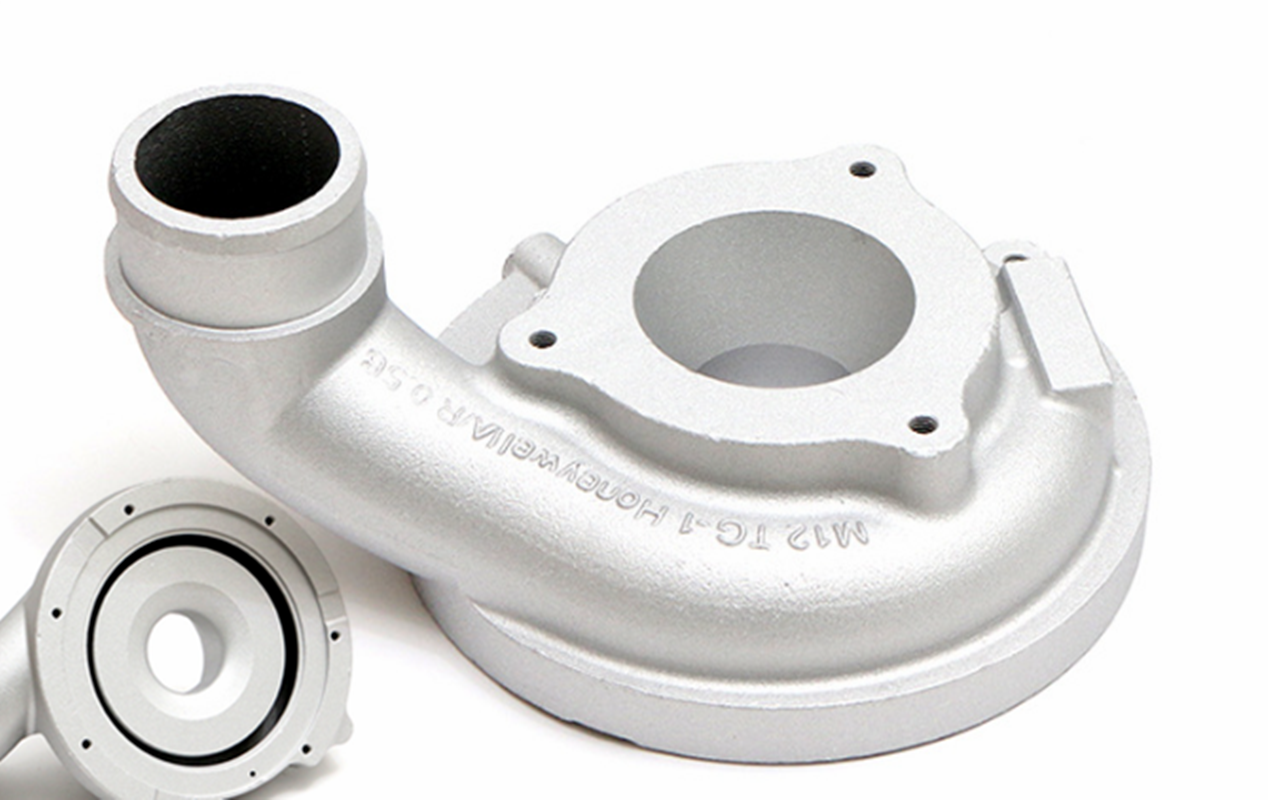
In the machining industry, dies play a crucial role in the production of various components. The quality of the die directly influences the quality and precision of the final
product. Among the factors that determine die quality, the casting process is of utmost importance. Casting is a process that involves pouring molten material into a mold cavity to
create a desired shape. Different casting processes can have significant impacts on the properties and quality of the die.
The choice of alloy for casting has a profound effect on die quality. For example, in some high-precision die casting applications, alloys with high strength and good thermal
conductivity are preferred. Alloys containing elements such as aluminum, magnesium, or copper in specific proportions can enhance the hardness and wear resistance of the die. A
die made from an inappropriate alloy may be prone to deformation, cracking, or excessive wear during the machining process, reducing its lifespan and the quality of the parts
produced with it.
The purity of the casting material also matters. Impurities in the molten metal can lead to defects in the die. For instance, non-metallic inclusions can act as stress concentrators,
causing cracks to initiate and propagate in the die. High-purity materials are more likely to result in a homogeneous and defect-free die structure, which is essential for maintaining
consistent die quality.
3.1 Gravity Casting
Gravity casting is a relatively simple casting method where the molten metal is poured into the mold under the influence of gravity. In this process, the flow rate and filling
pattern of the molten metal can affect die quality. If the metal fills the mold too slowly, it may lead to incomplete filling or porosity in the die. On the other hand, if it fills too rapidly,
it can cause turbulence, which may entrain air and form bubbles in the die. These defects can weaken the die and affect its performance during machining operations.
3.2 Pressure Die Casting
Pressure die casting involves applying high pressure to force the molten metal into the mold cavity. This technique can produce dies with higher density and better
dimensional accuracy compared to gravity casting. However, improper pressure control can also lead to problems. Excessive pressure can cause the die to be over-compacted,
resulting in internal stresses that may cause the die to crack during cooling or subsequent machining. Also, the design of the gating system in pressure die casting is critical. A poorly
designed gating system can lead to uneven metal flow and defects in the die.
3.3 Investment Casting
Investment casting is often used for producing complex-shaped dies with high precision requirements. In this process, the wax pattern is crucial. Any imperfections in the wax
pattern will be transferred to the final die. The quality of the ceramic shell used in investment casting also affects die quality. A thin or uneven ceramic shell may not provide sufficient
support during the casting process, leading to shape distortion of the die. Additionally, the burnout process of the wax pattern needs to be carefully controlled to avoid leaving
residues or causing damage to the ceramic shell, which in turn can impact the die quality.
4.1 Heat Treatment
Heat treatment after casting is an important step in improving die quality. Processes such as annealing, quenching, and tempering can modify the microstructure of the die
material. Annealing can relieve internal stresses in the die, improve its ductility, and reduce the risk of cracking. Quenching and tempering can increase the hardness and strength of
the die. However, incorrect heat treatment parameters, such as improper heating and cooling rates, can lead to uneven microstructure transformation, resulting in a die with
inconsistent mechanical properties and reduced quality.
4.2 Surface Finishing
Surface finishing of the die after casting can also significantly impact its quality. Grinding, polishing, and electroplating are common surface finishing techniques. A smooth
surface finish can reduce friction during the machining process, improve the release of the machined parts from the die, and prevent adhesion of materials to the die surface.
Electroplating can also enhance the corrosion resistance and wear resistance of the die, extending its service life.
5.1 Process Parameters Monitoring
During the casting process, monitoring key process parameters is essential for ensuring die quality. Parameters such as molten metal temperature, pouring speed, and
pressure (in pressure die casting) need to be closely monitored. Any deviation from the optimal values can lead to die quality issues. For example, if the molten metal temperature is
too high, it may cause excessive shrinkage in the die during cooling. Using advanced sensors and monitoring systems can help detect and correct these deviations in a timely
manner.
5.2 Non-destructive Testing
Non-destructive testing methods, such as X-ray inspection, ultrasonic testing, and dye penetrant inspection, should be employed to detect internal and surface defects in the
die after casting. X-ray inspection can reveal internal voids, cracks, or inclusions within the die. Ultrasonic testing is useful for detecting internal flaws that may not be visible on the
surface. Dye penetrant inspection can identify surface cracks. By conducting these tests, defective dies can be identified and rejected before they are used in the machining process,
saving time and resources.
In conclusion, the casting process has a multi-faceted impact on die quality in the machining industry. From material selection to casting techniques and post-casting
treatments, every aspect needs to be carefully controlled. By understanding the relationships between these factors and die quality, machining companies can take proactive
measures to improve the quality of their dies. This not only leads to better performance of the dies during machining but also enhances the overall quality and competitiveness of
the products produced. Continuous improvement in the casting process and strict quality control measures are essential for meeting the high demands of the modern machining
industry.
Send your 2D/3D files and get a detailed quotation within 24 hours — DFM feedback, material and tolerance advice, and lead time included. Prototypes from 1 piece, no minimum order.
Request a Free Quote → WhatsApp Us
Or email jasonhardware@foxmail.com · Reply within 24 hours, Monday–Saturday
Contact: Mr Zhang
Phone: +86-18368240367
E-mail: jasonhardware@foxmail.com
Add: No.16 Laoshan Road, Beilun District, Ningbo City
LiveChatclose
 Send Email
 WhatsApp