




jasonhardware@foxmail.com+86-0574-58202256
China remains the world's largest source of custom machined parts, but the gap between a good supplier and a bad one is enormous. The good ones hold tolerances, answer emails and ship on time for years. The bad ones win on price, lose your tooling, and disappear after the third order.
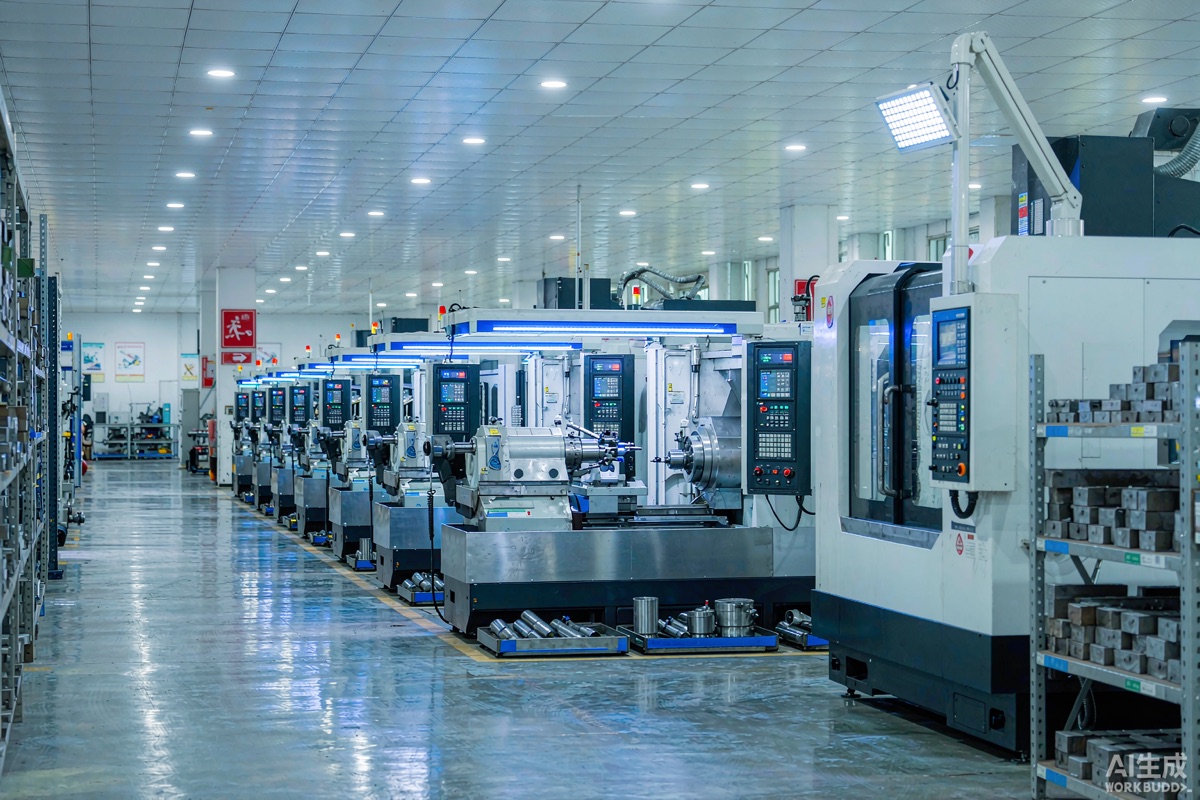
This checklist is the one we would use ourselves if we were buying. It is written by Ningbo Renjiu Machinery, a machining factory in Zhejiang that has been audited by automotive, medical and aerospace customers — so we know which questions actually separate the two groups.
The case is straightforward:
The risk is not China. The risk is buying from a middleman with no factory, or from a shop whose only quality tool is a pair of calipers.
| # | Check | What a good answer looks like |
|---|---|---|
| 1 | Are you the factory or a trading company? | Either is fine, but they must say so and name the actual workshop. Ask for a live video walk-through. |
| 2 | How many CNC machines and of what type? | 3-axis VMCs, 4/5-axis, CNC lathes, EDM, surface grinders — with counts. Vague answers mean brokers. |
| 3 | What is your quality control process? | First-article inspection with recorded values, in-process checks, final inspection, CMM available for critical dimensions. See our workflow as a reference. |
| 4 | Can you supply material certificates? | EN 10204 3.1 mill certificates, RoHS / REACH declarations on request. |
| 5 | What tolerances can you hold routinely? | ±0.05 mm general, ±0.01 mm precision — and an honest statement of which features cannot be held. |
| 6 | How do you handle surface finishing? | Named process partners (anodising, plating, heat treatment) or in-house lines, with process control. |
| 7 | Who owns the tooling and fixtures? | You do. Written into the agreement, with a buy-back clause. |
| 8 | Is there an NDA and IP protection policy? | Signed NDA before drawings are shared. Ask how files are stored and who can open them. |
| 9 | What are the payment terms? | Typical for new relationships: 30–50% deposit, balance against inspection or shipping documents. Full cash upfront is a red flag. |
| 10 | Who is my single point of contact? | One named engineer or account manager who answers in your working hours. |
Do not begin with your most important part. Run a deliberate test:
For prototypes in final material, our service overview covers both prototype and production pricing so the numbers do not jump when you scale.
Half of all "supplier problems" are actually communication problems. Set the rules early:
A factory usually gives better price and engineering depth. A good trading company can add value if you also need assembly, multiple processes or export documentation handled. What matters is transparency — never work with someone who hides which of the two they are.
For a typical machined part, 10–20 working days from approved drawing is normal, including first-article inspection. Rush options exist but cost more.
A serious supplier will welcome it. If travel is impossible, request a live video audit of the shop floor, the inspection room and the material store in one call.
A professional supplier replaces or credits them. This is why the quality documentation package matters — it makes the conversation factual rather than personal. Read how we structure that in our inspection guide.
Evaluating suppliers right now? Send us one drawing and use our quotation and inspection report as the benchmark for the others.
Send your 2D/3D files and get a detailed quotation within 24 hours — DFM feedback, material and tolerance advice, and lead time included. Prototypes from 1 piece, no minimum order.
Request a Free Quote → WhatsApp Us
Or email jasonhardware@foxmail.com · Reply within 24 hours, Monday–Saturday
Contact: Mr Zhang
Phone: +86-18368240367
E-mail: jasonhardware@foxmail.com
Add: No.16 Laoshan Road, Beilun District, Ningbo City
LiveChatclose
 Send Email
 WhatsApp